
Have you ever found yourself stuck in the chaos of connectivity chaos, desperately seeking a solution that won’t leave you high and dry? Enter the SIM980216FQ8. This little gem isn’t just another gadget: it’s a powerhouse packed with features designed to change your game. Whether you’re a tech aficionado or just someone tired of spotty connections, we promise you’ll want to stick around as we demystify this incredible device. Let’s immerse.
SIM980216FQ8

One of the standout aspects of the SIM980216FQ8 is its impressive versatility. Supporting GSM, HSPA, and LTE, it’s designed to operate in a myriad of environments. With real-time data speeds of up to 300 Mbps, streaming, browsing, and downloading become seamless experiences.
What’s more? Its compact design allows for easy integration into various devices without worrying about excessive power consumption. Speaking of power, the SIM980216FQ8 is optimized for low power usage, making it perfect for mobile applications and IoT solutions. Its built-in security protocols ensure peace of mind, keeping your data safe on the go.
And let’s not forget its compatibility with both Windows and Linux systems. So whether we’re developing a new application or updating an existing one, this device fits like a glove.
Applications of SIM980216FQ8

Now, let’s talk about where the SIM980216FQ8 truly shines. Its applications span a wide array of industries, from remote monitoring systems to automotive applications. We regularly see it power smart sensors, security cameras, and even agricultural technologies. Imagine monitoring crop performance from the comfort of your living room.
In the automotive sector, it’s playing a pivotal role in developing smarter, connected vehicles. By providing real-time data and communication between vehicles, we are witnessing advancements in safety and traffic management.
We can’t overlook its immense potential within the IoT realm. With the rise of smart homes, this module enables seamless connections for all our smart devices, centralizing control and enhancing user experience.
Technical Specifications
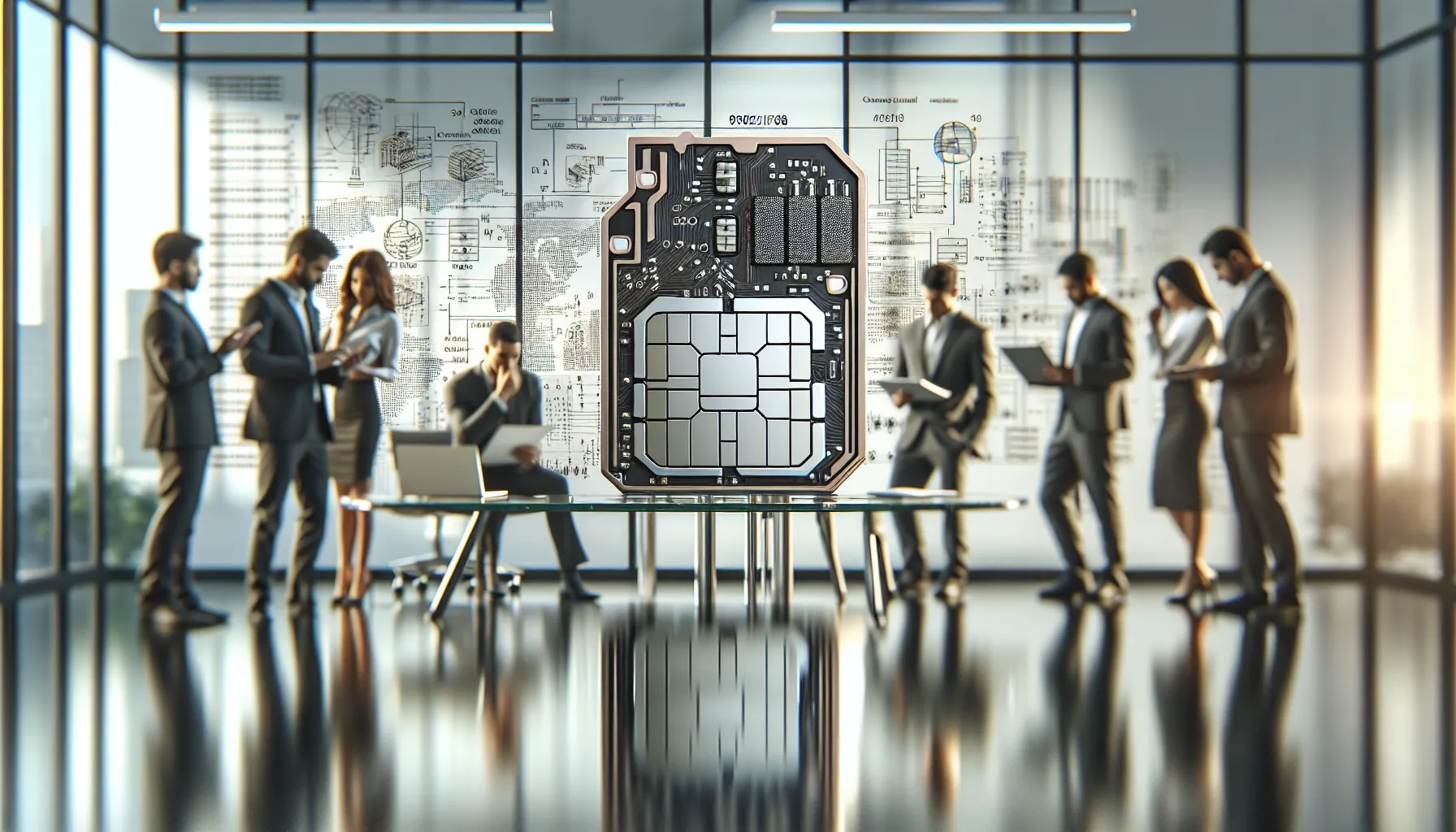
For the tech-savvy among us, let’s investigate into the nitty-gritty details. The SIM980216FQ8 operates across a frequency range of 700 MHz to 2600 MHz, ensuring comprehensive connectivity options. It supports up to 2 SIM cards, allowing for flexible carrier choices.
Data transmission isn’t just quick: it’s also reliable, supporting protocols like TCP/IP, HTTP, FTP, and MQTT. We also appreciate its built-in antenna, which enhances the signal reception significantly, a critical factor in remote areas. With its robust temperature range, it can operate efficiently from -40°C to 85°C, keeping it dependable in extreme conditions.
Finally, it boasts a compact form factor of 30 x 30 x 3 mm, ensuring it can fit into various designs without taking up precious space.
Advantages of Using SIM980216FQ8
By now, you might be wondering, “What’s in it for us?” The advantages of using the SIM980216FQ8 are manifold. With its ability to support multiple network types, we enjoy flexible connectivity without being locked into one service.
Its low power consumption means longer battery life for our devices. Let’s face it, nobody enjoys frequently charging devices. Besides, the robust security features help protect our sensitive data from unauthorized access. Efficiency and security make a great duo.
Also, the ease of installation and configuration cannot be overstated. We can set it up quickly, allowing us to focus on what really matters, innovation and creativity in our projects.
Installation and Configuration
Getting started with the SIM980216FQ8 is as easy as pie. We first need to ensure we have the right tools, typically, a compatible device, a computer (to interface with the module), and the appropriate SIM card.
Once we’ve assembled the materials, the installation steps are straightforward. Plug the SIM980216FQ8 into the designated slot of our device and the SIM card into its tray. After that, we can power up the device and load the driver software, ensuring the module is recognized by our operating system.
Configurations can generally be done via a simple interface that guides us through connecting to our network and setting up any additional parameters needed. There’s even online support and resources available to assist, making our transition effortless.