
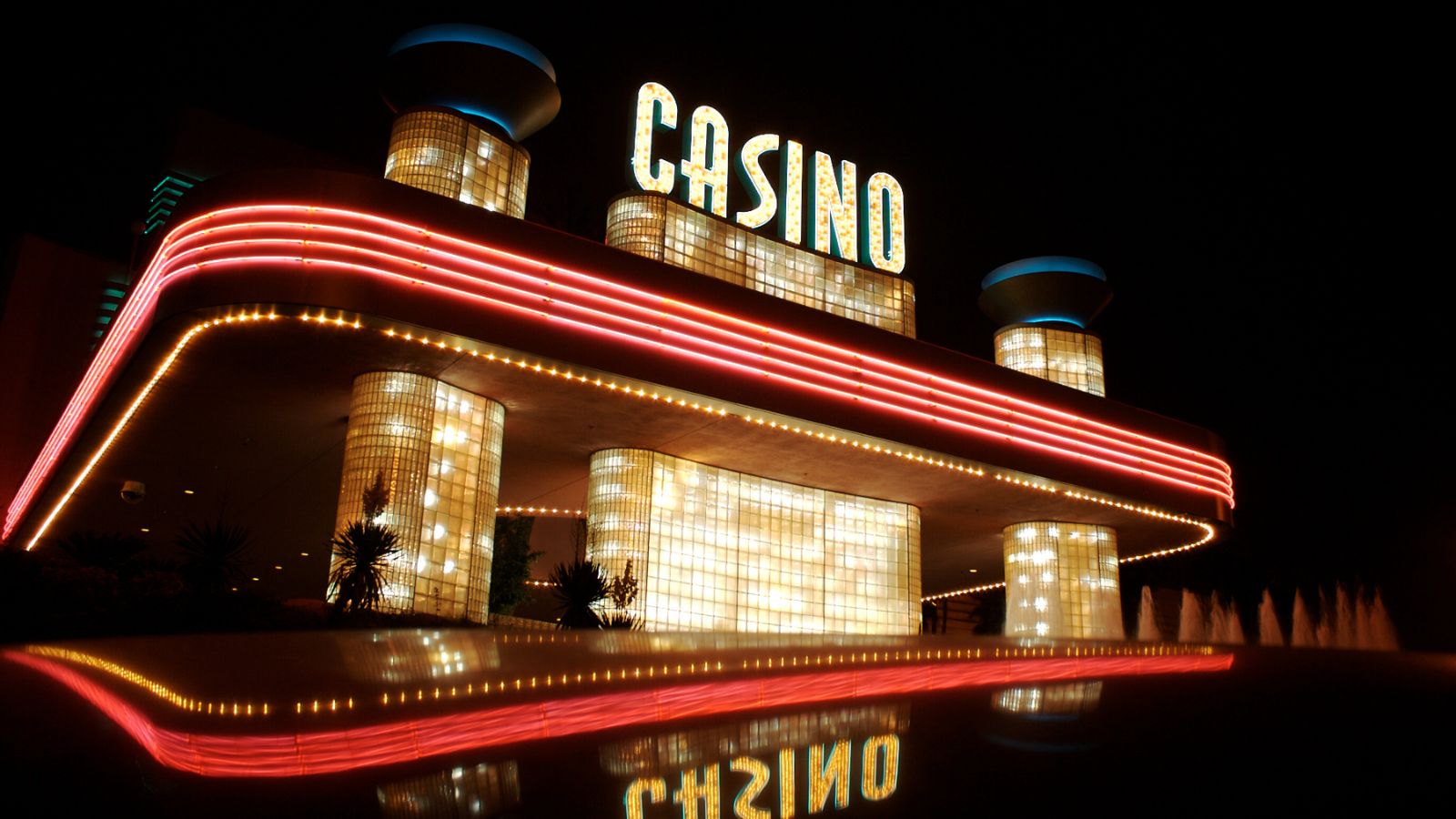
Casinos are more than just places of chance—they are meticulously crafted environments engineered to influence behavior, perception, and even time. While many associate gambling solely with flashing lights and spinning reels, the reality is that behind every successful casino lies a world of psychological strategy. Even in lesser-known establishments like paris sportif , the layout, lighting, and soundscape are not random but intentionally selected to heighten engagement and prolong visitor stays.
One of the most fascinating aspects of casino design is the concept of “flow.” Flow is a psychological state in which a person becomes fully immersed in an activity. Architects and interior designers aim to keep guests in this state for as long as possible. With subtle cues such as curved walkways, maze-like layouts, and the absence of clocks or windows, guests often lose track of time—an effect that’s advantageous to the house. These techniques aren’t just limited to Las Vegas giants; even mid-sized casinos apply these principles to maximize player immersion and revenue.
Lighting plays an equally pivotal role. Bright, inviting lights around slot machines contrast with dimmer surrounding areas, subtly guiding guests toward areas of interest. LED lighting patterns mimic sunrise and sunset cycles, tricking the mind into staying alert. This, combined with carefully chosen color schemes—typically reds, golds, and purples—stimulates excitement and luxury. Designers don’t just think about aesthetics; they think about mood manipulation.
Sound design in casinos is another critical, often underestimated, element. The soft chime of coins, the electronic chirp of a jackpot, and background music are engineered to create a constant sense of activity and winning. This audio backdrop, combined with sporadic celebratory sounds, keeps the environment feeling alive, even if only a few people are actively playing. The illusion of constant success encourages continued play, feeding into the psychology of reward anticipation.
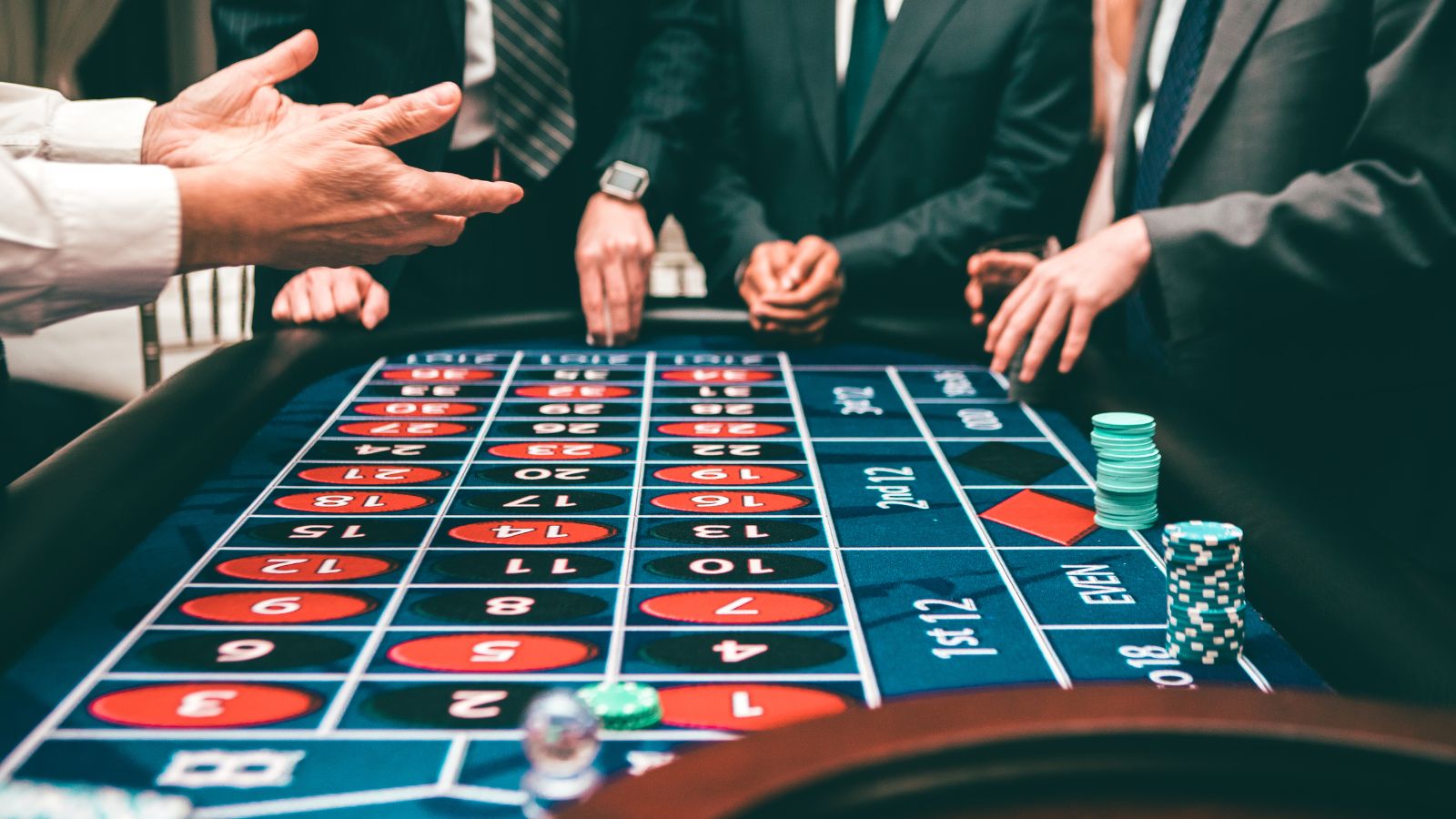
Fragrance is another subtle but potent tool. Many casinos use signature scents—mild, pleasant aromas that evoke comfort and nostalgia. These fragrances create an emotional connection to the space, making guests feel more at ease and more likely to return. The sense of smell is closely tied to memory and emotion, and casinos harness this link to leave a lasting impression.
Beyond the main gaming floors, even the placement of amenities is strategic. Restaurants, bars, and bathrooms are located in ways that require players to walk past numerous games, subtly encouraging spontaneous play. Lounges are designed with soft seating and ambient lighting to allow momentary rest without fully disengaging from the environment.
Interestingly, as casinos move into the digital space, many of these psychological principles are being adapted for online platforms. Virtual lobbies mimic the spatial navigation of real-life casinos. Sound and color are used similarly, and even the loading times between games can be calibrated to keep users engaged without frustrating them. The goal remains the same: extend engagement and create a seamless, immersive experience.
In conclusion, casino environments are far more than the sum of their parts. From visual and auditory cues to spatial layouts and scents, every element is deliberately designed to create a controlled atmosphere. Understanding the psychology behind these designs not only unveils the mechanics of the casino world but also sheds light on the intricate balance between entertainment and strategy. Whether physical or digital, the architecture of chance is anything but accidental.