
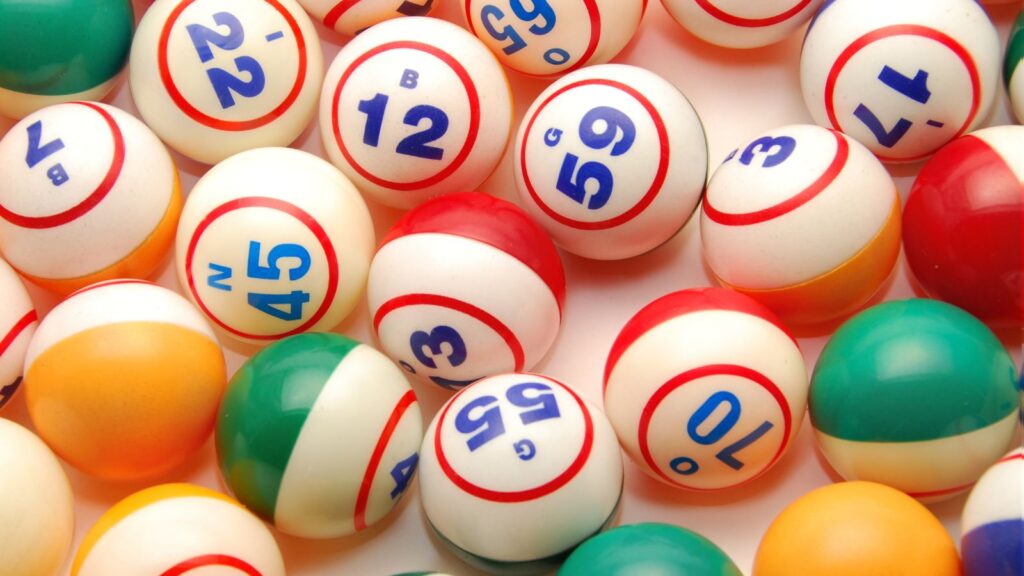
Bingo has undergone a significant transformation in recent years, especially as online platforms compete for player attention with improved interfaces and faster-paced games. The two dominant formats—75-ball and 90-ball bingo—represent distinct gaming philosophies that appeal to different player bases across North America and Europe. Understanding these variations isn’t just trivia; it’s essential knowledge for anyone looking to maximize their enjoyment and competitive edge.
75-Ball Bingo Takes Center Stage in North America
Playfina Casino and other platforms have invested heavily in 75-ball bingo because the format thrives on variety and speed. Unlike its European counterpart, the 75-ball game uses a 5×5 grid containing 25 numbers, with participants marking off called numbers on their cards. The real appeal lies in the winning patterns—players win by completing straight lines, covering all four corners, forming X patterns, or creating other geometric shapes displayed on screen before each game.
The following table demonstrates how card configuration and gameplay elements differ significantly between the two main formats:
| Feature | 75-Ball Bingo | 90-Ball Bingo |
| Grid Layout | 5×5 (25 numbers) | 9×3 (27 numbers) |
| Number Range | 1–75 | 1–90 |
| Geographic Popularity | North America, Australia | UK, Europe, Caribbean |
| Winning Patterns | Lines, corners, shapes | Single line, two lines, full house |
| Average Game Duration | 3–5 minutes | 5–10 minutes |
| Pattern Complexity | High (variable each game) | Low (standardized progression) |

Strategic Differences Shape Player Experience
The pace and strategic approach in 75-ball games differ fundamentally from 90-ball formats. In 75-ball bingo, players must track multiple pattern possibilities simultaneously, which demands active attention and quick pattern recognition. Some games crash in mere minutes, while the variety keeps sessions feeling fresh and unpredictable.
This format rewards players who enjoy mental engagement and appreciate the surge of chasing several winning combinations at once.
These key gameplay aspects separate the two formats:
- Pattern Variety: 75-ball games burst with new patterns each round, preventing gameplay monotony and forcing players to stay alert
- Number Density: The 90-ball format spreads 90 numbers across only 27 spaces, making number selection less random than its American counterpart
- Dauber Mechanics: Modern platforms feature automated daubing systems that zap numbers instantly, but 75-ball players manage more complex patterns requiring split-second decisions
- Progression Speed: 90-ball games build slowly toward multiple winning thresholds, while 75-ball games often pop in one decisive moment
- Card Management: Serious 75-ball players often handle 4–6 cards simultaneously, compared to 2–4 cards in 90-ball play
90-Ball Bingo: The Three-Stage Standard
The 90-ball format operates on a progressive winning system that’s been refined over decades in British gaming culture. Players first win by completing a single horizontal line, then claim a second prize for two completed lines, and finally capture the full house jackpot by marking all 27 numbers. This three-tier structure keeps players invested across the entire game duration, even if their card hasn’t hit a quick line win.
The 9×3 grid structure ensures that number distribution feels more balanced. With nine columns (labeled B, I, N, G, O, B, B, B, S for traditional UK bingo) and three rows, players face more predictable odds and longer average games. This approach suits players who prefer steady progression and prefer following established winning conditions rather than adapting to pattern variations.
Choosing Your Format
Transitioning between formats requires adjustment. Players accustomed to 75-ball games often find 90-ball play slower and less pattern-focused, while 90-ball veterans may feel overwhelmed by the geometric complexity of American-style bingo. Online platforms now make it simple to practice both formats without risk.
You can discover which suits your gaming style. The bingo landscape continues evolving, with operators refining dauber technology and adding social features to both formats. Whether you prefer the strategic complexity of 75-ball patterns or the steady progression of 90-ball three-stage wins, both variations deliver legitimate entertainment with genuine winning opportunities.
The choice ultimately depends on whether you value speed and pattern recognition or patience and consistent structure.